Unlock Global Connectivity with a Prepaid eSIM Plan
A prepaid eSIM is a digital SIM card that you buy and activate online before you travel, giving you instant mobile data without needing a physical plastic card. You simply scan a Singapore eSIM QR code or download a profile to your phone, and your prepaid balance covers a set amount of data for a fixed period. This makes it a hassle-free way to stay connected because you can choose a plan, pay once upfront, and avoid surprise roaming fees entirely.
Understanding the Pay-As-You-Go Embedded SIM
Understanding the Pay-As-You-Go Embedded SIM means recognizing it as a digital, reprogrammable chip that eliminates the physical SIM card for prepaid service. You select a data plan, pay upfront, and the eSIM profile is installed remotely, activating instantly without waiting for delivery. This prepaid eSIM model gives you direct control over usage; you top up only when you need more data, avoiding long-term contracts. The embedded nature allows you to switch between plans or providers by downloading new profiles, making it ideal for travelers or those managing multiple lines. Crucially, your funds are not tied to a single carrier—if a plan expires, you simply purchase another, keeping your device ready for the next connection.
What Sets a Refillable Digital Profile Apart
A refillable digital profile stands apart because it transforms a one-time data purchase into a persistent, manageable connection. Unlike a fixed physical SIM that requires replacement upon depletion, this profile lives on your device’s eSIM, allowing you to add top-ups directly through an app or web portal as your need arises. This eliminates the friction of hunting for new QR codes or swapping cards. The core advantage is instant plan flexibility—you can select a new data package, validity period, or destination before your current allowance runs out, ensuring seamless connectivity without any hardware change or service interruption.

Key Differences from Physical SIM Cards and Postpaid Plans
The primary difference is that a prepaid eSIM eliminates the physical card entirely; there is no swapping or waiting for delivery. Unlike postpaid plans, which require a credit check and a contract, a prepaid eSIM offers upfront payment for data only, with no billing surprises. With a physical SIM, toggling plans often means carrying multiple cards or handling tiny trays. In contrast, with a prepaid eSIM, you manage profiles digitally. A clear sequence of activation is:
- Purchase a digital eSIM data plan online.
- Scan or download the QR profile code to your device.
- Activate the plan immediately, avoiding any postal delays.
This process highlights a core advantage: instant digital provisioning separates prepaid eSIMs from the logistics of physical SIM cards and the obligations of postpaid contracts. You simply buy and go, rather than committing to a monthly bill or a physical swap.
Why Travelers and Minimalists Are Switching
Travelers and minimalists are switching to prepaid eSIMs because they eliminate the need for physical SIM cards and roaming contracts, aligning with a lighter, more flexible lifestyle. Keeping a single digital profile for multiple countries removes the clutter of swapping tiny cards and the hassle of tracking local activations. Purchasing data instantly before departure or upon arrival gives immediate connectivity without a commitment to a local carrier. This on-demand approach particularly appeals to those who value control over temporary connectivity rather than permanent plans. For minimalists, carrying one device without a physical slot being occupied or needing a tool to change SIMs is a clean, straightforward solution.
Instant Activation Without a Store Visit
For travelers and minimalists, instant eSIM activation eliminates the need to hunt for a store upon arrival. You purchase, scan a QR code, and connect within minutes, all from your current location. This direct digital delivery means no queuing, no passport photocopies, and no plastic SIM cards to juggle. Connectivity becomes a seamless pre-travel step rather than a destination chore, preserving both your itinerary and your minimalist carry. You control when service starts, avoiding the wasted time and friction of physical retail entirely.
No Long-Term Contracts or Credit Checks
For travelers and minimalists, traditional phone plans demand unbreakable annual contracts and invasive credit checks. A prepaid eSIM eliminates both hurdles, granting instant connectivity without locking you into a long-term commitment. You purchase data only when needed, avoiding penalties for early termination or strict credit history requirements. This freedom lets you switch providers between countries seamlessly, aligning perfectly with nomadic lifestyles where flexibility is paramount.
No contracts mean no penalties; no credit checks mean no barriers—just pure, on-demand connectivity.
Managing Multiple Numbers on One Device
Managing multiple numbers on one device is a game-changer for travelers and minimalists. With a prepaid eSIM, you can keep your primary home number active for banking and family while adding a local data plan for navigation and calls abroad. There’s no need to swap physical SIMs or carry a second phone. This setup lets you easily switch between professional and personal lines on the same device, giving you control over who reaches you and when, all without juggling extra hardware.
You keep your main number for essentials, add a local eSIM for travel, and toggle between them seamlessly—no extra devices needed.
Selecting the Right Upfront Data Package
When selecting the right upfront data package for a prepaid eSIM, first estimate your likely consumption by checking typical daily usage from apps like maps or streaming. Prioritize packages offering a data cap slightly above your expected need, as prepaid eSIMs rarely allow topping up with small increments. A larger upfront package often provides a lower per-GB cost, but buying excessive data wastes money if your trip remains short. Always confirm the package’s validity period matches your stay exactly, as unused data expires. Examine network speed restrictions after the high-speed quota, choosing packages where throttled speeds remain usable for messaging. By contrast, a minimal package might suffice if you rely mainly on offline maps and hotel Wi-Fi.

Regional Plans vs. Global Coverage Options
When choosing your prepaid eSIM, think about where you’ll actually use data. A regional plan is ideal if you’re sticking to one area, like Europe or Asia, since it pools countries into a single, cheaper package. Global coverage options offer the ultimate freedom, connecting you worldwide, but often cost more per gigabyte. The real decision comes down to your itinerary: a regional plan saves money for focused trips, while global coverage provides seamless access across multiple continents without juggling multiple eSIMs.
Data-Only Bundles vs. Plans with Voice and Text
For prepaid eSIM, choosing between data-only bundles and plans with voice and text comes down to how you actually communicate. Data-only is perfect for travelers who rely on WhatsApp, Skype, or FaceTime for calls, keeping costs low and setup simple. Plans with voice and text include a local number for traditional calls and SMS, which is essential for two-factor authentication, booking local services, or contacting businesses that don’t use apps. Your device’s dual-SIM capability changes everything: you can keep your home SIM active for banking codes while using a data-only eSIM for internet.
- Data-only bundles are cheaper and ideal for app-based communication exclusively.
- Plans with voice and text provide a local number, critical for verification codes and offline calling.
- If you rarely make phone calls, data-only avoids paying for unused minutes.
Some travelers find that a local voice plan even saves money on roaming charges for urgent, unplanned calls.
How to Compare Validity Periods and Top-Up Costs
When picking a prepaid eSIM, always check the validity versus top-up cost ratio. A 30-day plan might seem cheap until you realize you need a pricey top-up on day 20. Compare the per-day cost for each validity period—short stays might favor a 7-day plan, while longer trips benefit from monthly bundles with cheaper data refills. Then, check if top-ups extend the existing validity or start a new period, as some providers let you stack days.
- Divide total cost by validity days to find the cheapest daily rate.
- Note if top-ups reset the clock or add to your current expiry date.
- Compare the cost of a single long-term plan versus buying several short ones with top-ups.
- Check if top-ups are mandatory or optional when you run low on data.
Step-by-Step Setup for Your Device
Begin by confirming your device is carrier-unlocked and supports eSIM profiles. Purchase a prepaid eSIM plan from a provider, then locate the QR code or activation link in your confirmation email. On your phone, go to Settings, then Cellular or Mobile Data, and select Add eSIM. Scan the QR code or manually enter the provided SM-DP+ address and activation code. Complete installation before removing your physical SIM. After activation, set the prepaid eSIM as your default line for data and, if needed, for calls and texts. Reboot your device to refresh network registration, then test connectivity by loading a webpage. For dual-SIM use, label lines clearly (e.g., “Travel Data”) to avoid accidental charges.
Checking Compatibility Before You Buy
Before grabbing any prepaid eSIM deal, locking in device compatibility is your first must-do. Pop open your phone’s settings and look under “About Phone” – if you spot an EID (a long number), you’re likely good to go. Also check that your device isn’t carrier-locked, meaning it’s not stuck to one network. For iPhones, ensure eSIM support starts at XR and newer; for Androids, verify your specific model on the plan’s site. A quick compatibility check upfront saves you from buying a plan that won’t activate.
Downloading and Installing the Network Profile
To activate your prepaid eSIM, begin by scanning the QR code provided in your purchase confirmation or manually entering the activation code. Your device will prompt you to download the network profile over Wi-Fi; ensure a stable connection to avoid interruptions. Once downloaded, the profile installs automatically, often requiring a quick reboot. You’ll then see the mobile plan active in your settings, ready for data use. No physical SIM swapping is needed—this digital profile handles everything.
Activating Credit Without a Physical Card
To activate credit for a prepaid eSIM without a physical card, purchase a top-up code online from the provider’s portal or an authorized retailer. After receiving the digital voucher via email or SMS, open your eSIM settings and select “Add Credit” or “Redeem Code.” Enter the unique PIN exactly as provided. The balance updates immediately, enabling data and voice services. Always verify compatibility with prepaid eSIM activation by checking that the code matches your device’s region. A clear sequence is:
- Obtain a digital top-up code from a secure source.
- Navigate to your eSIM account management screen.
- Input the PIN and confirm the transaction.
- Restart mobile data to refresh the connection.
Managing Your Balance and Usage
Managing your balance and usage with a prepaid eSIM hinges on real-time awareness through your provider’s app or web portal—most let you view data, voice, and text balances at a glance. Topping up is instant, typically via credit card or digital wallet, and you can often extend the same plan or purchase an add-on data pack without swapping physical cards. A key insight:
Conservation modes, like restricting background data for specific apps, dramatically stretch your balance between refills.
Set low-balance alerts to avoid surprise cutoffs, and regularly check your updated data counter to match your usage rhythm—whether streaming or just messaging.
Monitoring Data Consumption in Real Time
With a prepaid eSIM, you can monitor data consumption in real time via the provider’s app or dashboard. This shows exact megabytes used, remaining balance, and session activity. Alerts trigger when you approach your limit, helping you avoid unexpected top-ups. Tracking live data usage is essential for throttling background apps. How can I check my data usage without an internet connection? Most eSIM apps cache the last known data figure offline, so you can view your remaining balance even when disconnected.
Extending Coverage Through Reloadable Vouchers
With a prepaid eSIM, reloadable voucher activation lets you instantly top up your data when roaming. Instead of buying a new plan, you simply apply a voucher code to extend your existing coverage, preserving your local number without interruption. This on-the-fly top-up is perfect for unexpected trip extensions, ensuring you never lose connectivity mid-journey. Vouchers often offer flexible data amounts, from small 1GB boosters to larger allowances, tailored to your immediate need.
Reloadable vouchers prevent service lapses by allowing a direct balance addition, effectively stretching your prepaid eSIM’s lifespan and data pool as needed.
Switching Between Preloaded Profiles Mid-Trip
Switching between preloaded profiles mid-trip allows you to reselect a data package without acquiring a new eSIM. This is done by accessing your device’s eSIM management menu, then deactivating the current profile and activating a stored backup. The process is instant and requires no QR scan or internet connection, though any remaining balance on the deactivated profile is typically frozen, not transferred. This feature is critical for extending coverage in zones where one network’s signal fades. Profile switching preserves travel continuity by enabling a quick fallback to a secondary tier without disrupting service entirely.
- Check that the backup profile has been pre-loaded and remains unexpired before departure.
- Only one profile can be active at a time; switching forces a brief offline period for re-registration.
- Unused data on a switched-off profile is usually lost if never reactivated before the trip ends.
Overcoming Common Hurdles
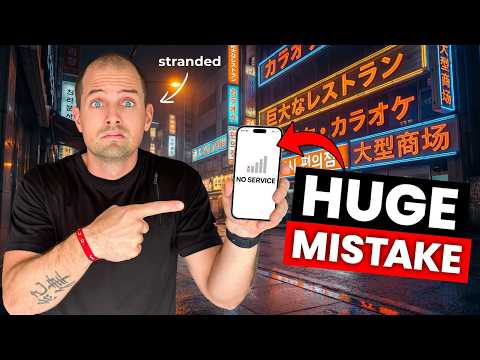
Overcoming common hurdles with prepaid eSIM starts with troubleshooting installation. A failed scan often means the QR code is damaged—manually entering the activation code bypasses this. Another frequent issue is no signal after activation; this is typically resolved by forcing your phone to manually search for networks under cellular settings. For dual-SIM users, ensure data is explicitly assigned to the eSIM line, or the primary physical SIM will consume roaming charges. If your balance drains inexplicably, immediately restrict background app refresh over cellular data. Finally, when switching phones, never delete the eSIM profile before saving a backup QR or activation code—restoring the plan to a new device requires it.
What Happens When the Allowance Runs Out
When the allowance runs out on a prepaid eSIM, data connectivity typically stops immediately to prevent overage charges. Most providers offer automatic top-up options that activate a small booster pack or a new plan, though you can disable this in your account settings. Alternatively, you can manually purchase an add-on from your provider’s app or website to resume service within minutes. Without a top-up or new plan, the eSIM remains inactive but preserves your account balance and validity period, allowing you to reactivate it later without losing the original profile.
Handling Roaming Across Different Countries
Handling roaming across different countries with a prepaid eSIM means selecting a regional or multi-country plan before departure to avoid per-country setup. Automatic network switching ensures seamless connectivity as you cross borders, eliminating manual carrier selection. Always verify that your eSIM supports cross-border data without extra fees, and disable fallback to your home SIM to prevent unintended charges.
- Activate a regional eSIM covering all destination countries.
- Confirm auto-connect is enabled for hassle-free switching.
- Test data instantly upon crossing each border.
Troubleshooting Activation Failures

Activation failures often stem from incorrect QR code scanning or manual profile entry errors. First, ensure your device is unlocked and connected to Wi-Fi. Delete any previous eSIM profiles to avoid conflicts. Reboot the phone, then re-scan the provider’s QR code or re-enter the SM-DP+ address and confirmation code exactly as provided. If the profile fails to install, check that your phone’s software is up-to-date and that the eSIM is not already assigned to another device. Resolving manual entry mismatches typically fixes the issue. Contact the provider only if the profile still does not appear after trying another network signal.
Troubleshooting Activation Failures requires verifying device compatibility, clearing old profiles, and precisely re-entering credentials to isolate input errors from network-side issues.
Future Trends in No-Contract Connectivity
The traveler of tomorrow flips open a phone not to buy a SIM, but to prepaid esim profiles. A single device holds a dozen no-contract allowances, each activated in a tap for a new country. The future trend is dynamic switching—your phone’s software automatically downloads the cheapest local plan as you cross a border, killing the need for physical swaps. Plans will expire not by date but by data usage, halving the balance when you stop streaming, so leftover gigabytes vanish only when truly gone. Connectivity becomes a fluid subscription you wear, not a contract you sign.
The Rise of Multi-Country Passes
The Rise of Multi-Country Passes transforms prepaid eSIM use by bundling data across entire regions. Instead of installing a separate eSIM for each nation, you activate one regional plan. This eliminates per-country switching, as a European pass covers France, Germany, and Spain under a single data pool, with automatic network handover at borders. Users purchase a fixed amount of high-speed data—e.g., 10GB—usable across all included countries until expiration. Pricing is typically lower than buying multiple single-country plans, and bonus perks like free incoming calls or local number access are added. Validity varies from one week to 90 days, offering flexibility for multi-stop itineraries.
| Aspect | Single-Country Plans | Multi-Country Passes |
|---|---|---|
| Network switching | Manual reinstall | Automatic |
| Data pool | Per country separately | Shared across region |
| Cost for 3 countries | Higher total | Often lower lump sum |
| Validity flexibility | Tied to one nation | Works across multiple stays |
Integration with IoT and Smart Devices
Prepaid eSIMs are becoming the go-to for managing your smart home and IoT devices without long-term hassle. You can activate a dedicated data plan directly on a smart sensor, pet tracker, or security camera in seconds, swapping profiles between devices as needed. This means your smart fridge or door lock stays online independently of your phone, with total control over data limits and costs. No more hunting for tiny physical SIM cards for each gadget—just scan a QR code and connect immediately.
How Carriers Are Simplifying Top-Up Processes
Carriers are stripping friction from prepaid eSIM top-ups by embedding direct billing into device settings, allowing instant credit purchases without leaving the connectivity menu. Many now support one-tap reactivation when data runs low, triggering a seamless purchase via saved payment methods. Auto top-up thresholds let users set a minimum balance; the system refills automatically, avoiding abrupt disconnections. Some providers offer loyalty bonuses—like extra data for recurring refills—directly credited to the profile. Carriers also unify domestic and roaming top-up interfaces, removing separate international voucher steps.
By integrating auto-refills, one-tap payments, and unified dashboards, carriers convert top-up from a disruptive chore into a background convenience for prepaid eSIM users.